

Easy Cleaning Tips that You Need to Know
Starting a cleaning business on a shoestring budget taught me one thing fast: smart choices beat expensive ones every time. Clients want spotless results, reliability, and value. As a new cleaning pro, your job is to deliver professional outcomes while keeping overhead low, protecting yourself legally, and building a reputation that brings repeat customers and referrals.
This article collects practical, low‑cost cleaning tips, business shortcuts, and safety reminders I use daily so you can start strong and grow without burning cash.
Why these tips matter
When you’re a startup, every dollar and every hour counts. The right tools, efficient techniques, and simple systems let you do more jobs, reduce rework, and keep clients happy. These tips focus on cost‑effective supplies, time‑saving methods, client communication, and basic business protections so you can operate like a pro from day one.
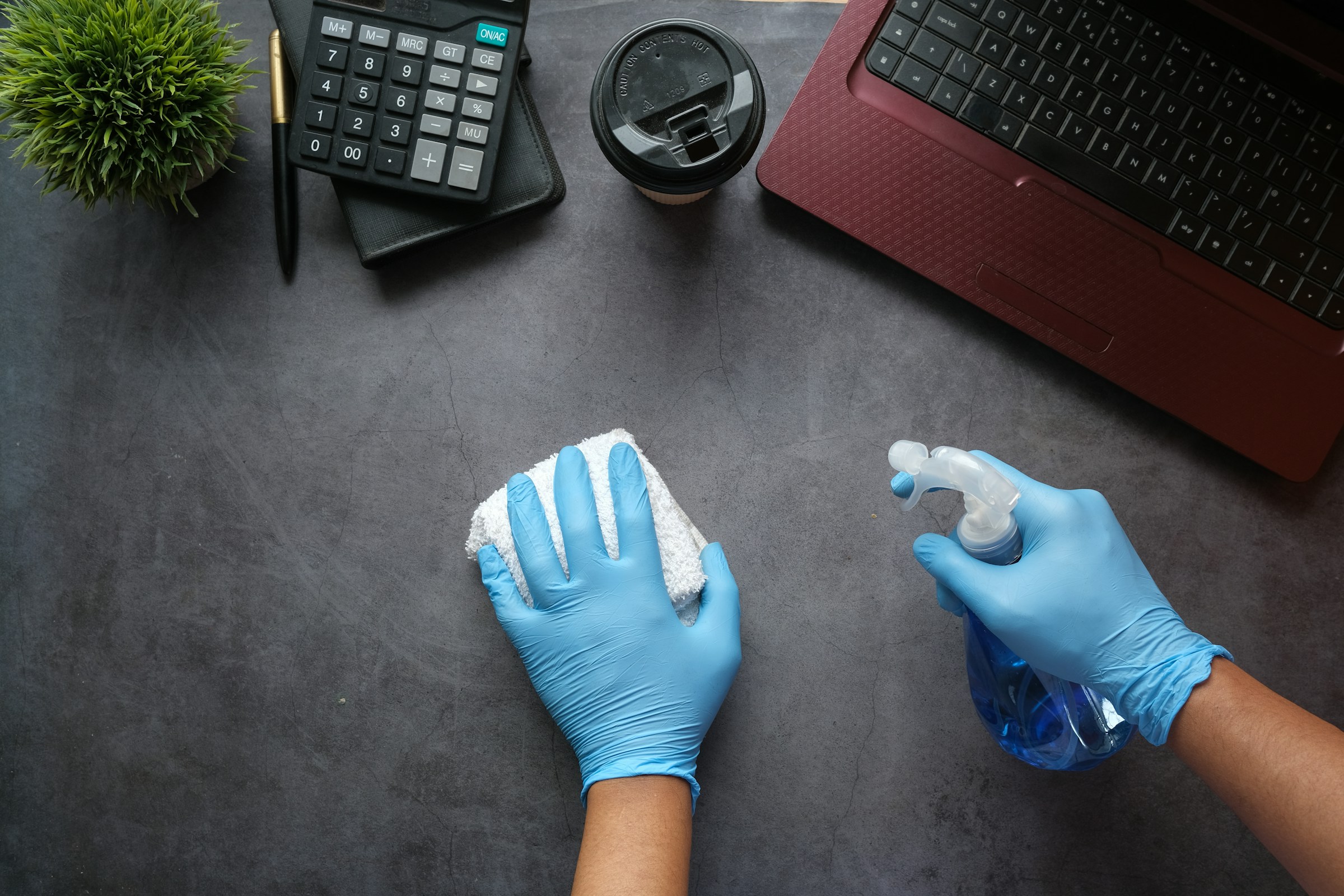
1. Build a lean, multipurpose kit
You don’t need a garage full of specialty products to get professional results. Start with a compact kit of high‑value items that cover most jobs:
-
Microfiber cloths and mop heads — reusable, trap dirt and dust better than cotton, and reduce chemical needs. Keep color‑coded cloths for bathrooms, kitchens, and dusting to avoid cross‑contamination.
-
A good vacuum with attachments — choose a reliable, mid‑range model that handles carpet, hard floors, and upholstery. A HEPA filter is a plus for allergy‑sensitive clients.
-
Spray bottles and concentrate cleaners — buy concentrated all‑purpose cleaner and dilute into labeled spray bottles; concentrates save money and storage space.
-
A scrub brush, grout brush, and squeegee — inexpensive tools that make bathrooms and glass sparkle.
-
Gloves, masks, and basic PPE — protect yourself and reassure clients.
-
Bucket with wringer or a two‑bucket system — keeps cleaning water cleaner and reduces streaking.
Buy quality where it matters (vacuum, microfiber) and economize on disposables. Track usage to know when bulk buying will save money.
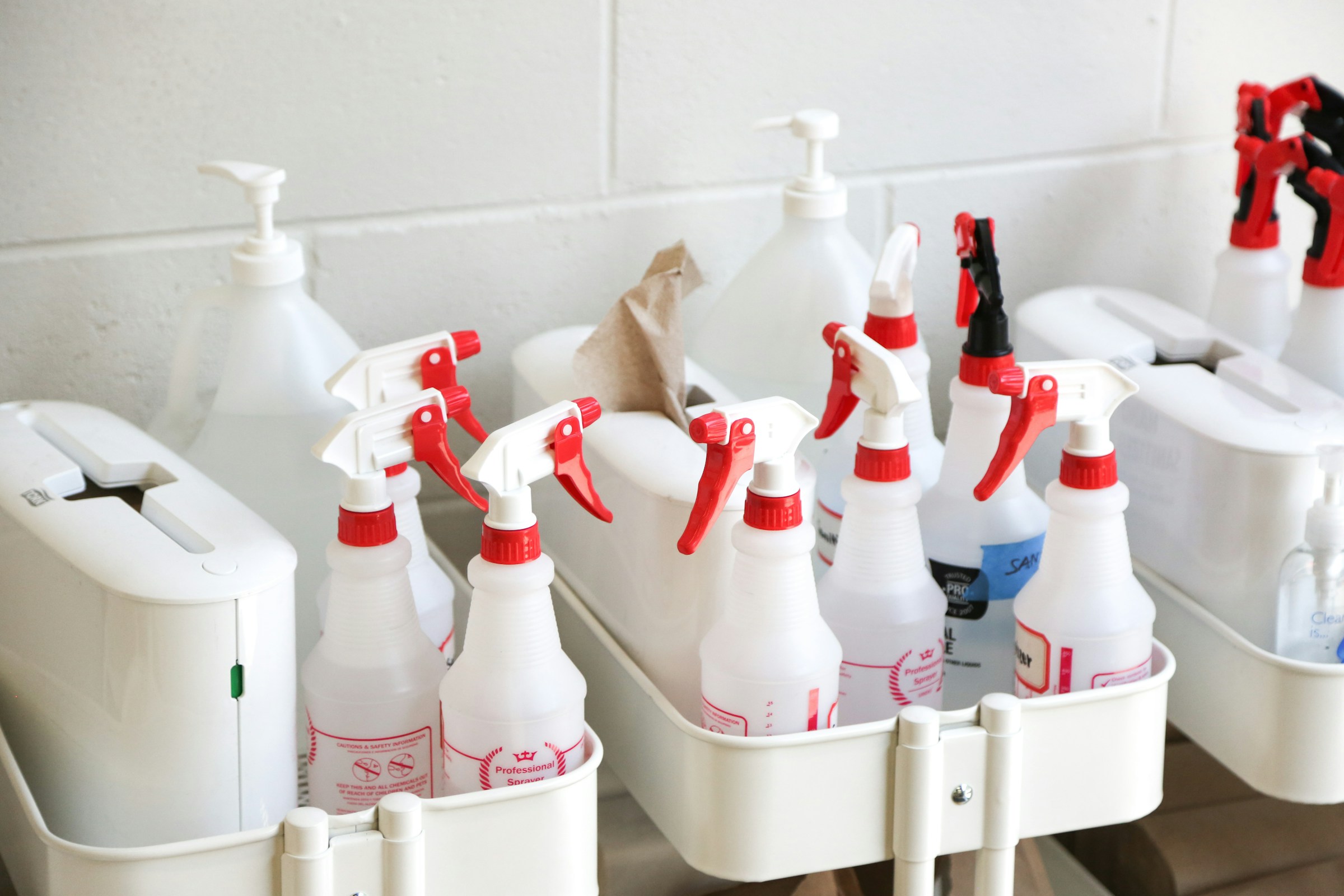
2. Use multipurpose cleaners and DIY solutions
Specialty products are convenient but expensive. For many tasks, a few multipurpose cleaners and simple DIY mixes work just as well:
-
All‑purpose cleaner: For most surfaces, a pH‑balanced all‑purpose cleaner is enough. Dilute concentrates per label instructions to save cost.
-
Vinegar and water: Great for glass, mirrors, and many hard surfaces (avoid on natural stone). Mix 1:1 with water for streak‑free windows.
-
Baking soda paste: Use for scuffed surfaces, grout stains, and deodorizing.
-
Hydrogen peroxide: A safe disinfectant alternative for many surfaces; store in dark bottles.
-
Commercial disinfectant: Keep one EPA‑registered disinfectant for high‑risk jobs (kitchens, bathrooms, post‑illness cleanups). Follow contact time on the label.
Label bottles clearly and keep a small reference card in your kit with dilution ratios and surface cautions. This reduces mistakes and wasted product.

3. Master time‑saving cleaning sequences
Efficiency is the backbone of profitability. Use repeatable sequences so you don’t waste time backtracking:
-
Declutter first — remove trash and pick up items; it speeds cleaning and improves client perception.
-
Dust top to bottom — start with ceiling fans, light fixtures, and shelves, then work down to baseboards. Dusting before vacuuming prevents rework.
-
Wet tasks last — clean bathrooms and mop floors after dusting and vacuuming to avoid recontamination.
-
Work in zones — finish one room completely before moving on; it reduces context switching and missed spots.
Time yourself on standard homes to build realistic job estimates. Accurate estimates reduce the risk of underpricing and help you schedule more reliably.

4. Use microfiber and proper laundering to save money
Microfiber is a game changer: it cleans better with less chemical, lasts hundreds of washes, and reduces labor time. But laundering matters:
-
Wash microfiber separately from cotton towels to avoid lint transfer.
-
Use mild detergent and avoid fabric softeners (they clog fibers).
-
Dry on low heat or air dry to extend life.
-
Rotate cloths so you’re not using the same rag all day; a simple bin system (clean/used) keeps things organized.
Investing in a small, efficient washer/dryer or partnering with a local laundromat for bulk cycles can be cost‑effective as you scale.
5. Price jobs to protect margins and cash flow
Many startups underprice to win work and then struggle with cash flow. Use a simple pricing model:
-
Calculate true labor cost: include your hourly wage, payroll taxes (if you hire), and time for travel and setup.
-
Add material costs: estimate consumables per job (cleaner, trash bags, gloves).
-
Include overhead: insurance, vehicle costs, marketing, and phone. Divide monthly overhead by expected billable hours to get an hourly overhead rate.
-
Set a profit margin: aim for at least 10–20% once overhead is covered.
Offer flat rates for recurring cleanings and itemized quotes for one‑offs or deep cleans. Require a deposit for large jobs and use milestone payments for multi‑day projects to protect cash flow.
6. Focus on high‑impact tasks for perceived value
Clients often judge cleanliness by a few visible areas. Prioritize these to maximize perceived value:
-
Bathrooms — toilets, sinks, mirrors, and grout. A sparkling bathroom sells the whole job.
-
Kitchens — countertops, stovetop, and sink. Grease and odors are immediate turnoffs.
-
Floors — vacuum and mop visible traffic paths; pay attention to baseboards.
-
Entryways — first impressions matter; sweep, wipe, and tidy.
Delivering excellence in these zones builds trust and increases tips and referrals. For deep cleans, set expectations and itemize what’s included.

7. Standardize checklists and client communication
Consistency builds reputation. Use simple checklists and clear communication templates:
-
Room checklists: one page per room listing tasks (dust, vacuum, mop, wipe surfaces, empty trash). Checkboxes speed training and quality control.
-
Client intake form: record access instructions, pets, special requests, and no‑go areas.
-
Estimate template: itemize labor, materials, and exclusions.
-
Post‑job message: send a short note with before/after photos (if client agrees) and a reminder about next scheduled clean.
Digital tools like free forms, Google Sheets, or low‑cost cleaning apps help you scale without heavy software costs.

8. Train for safety and reduce liability
Injuries and property damage can sink a small business. Train yourself and any helpers on basic safety:
-
Use PPE: gloves, masks, and eye protection when handling chemicals or dusty jobs.
-
Follow product labels: mixing chemicals can create dangerous fumes; never mix bleach and ammonia.
-
Ladder safety: use stable ladders and avoid overreaching.
-
Secure client permission for moving heavy furniture; use proper lifting techniques.
-
Document pre‑existing damage with photos to avoid disputes.
Carry basic liability insurance and, if you hire, workers’ compensation. These are essential protections that clients often ask about before hiring.

9. Market smart on a budget
You don’t need a big ad budget to get clients—use low‑cost, high‑return tactics:
-
Referrals and word of mouth: ask satisfied clients for referrals and offer a small discount or free add‑on for referred customers.
-
Local listings: claim your Google Business Profile and encourage reviews; local search drives many cleaning leads.
-
Flyers and door‑hangers: target neighborhoods with a simple, professional flyer offering an introductory rate.
-
Social media: post before/after photos, short cleaning tips, and client testimonials on Facebook and Instagram. Visual proof builds trust.
-
Partnerships: connect with realtors, property managers, and Airbnb hosts who need reliable cleaning partners.
Track where leads come from so you can double down on the most effective channels.

10. Offer add‑ons and recurring plans to increase revenue
Once you have regular clients, increase lifetime value with optional services:
-
Deep cleans: seasonal or move‑in/move‑out cleans at a premium rate.
-
Window washing, oven cleaning, or carpet spot cleaning: priced separately.
-
Recurring plans: weekly, biweekly, or monthly subscriptions with a small discount for commitment.
-
Green cleaning option: charge a premium for eco‑friendly products and practices. Many clients will pay more for safer, greener solutions.
Upsells should be presented as optional extras on the estimate so clients can choose.

11. Keep records and measure what matters
Good bookkeeping and simple KPIs keep your business healthy:
-
Track revenue by client and job type to see which services are most profitable.
-
Monitor job time to refine estimates and pricing.
-
Record consumable usage to know when bulk buying saves money.
-
Keep receipts and photos for tax deductions and dispute resolution.
Use free or low‑cost accounting tools to separate business and personal finances and simplify tax time.

12. Scale carefully and protect your reputation
Growth is exciting but risky if you expand too fast:
-
Hire slowly: start with part‑time help or subcontractors and vet references.
-
Train new hires with your checklists and shadowing. Quality control is essential.
-
Standardize processes so every cleaner delivers the same result.
-
Maintain customer service: respond quickly to complaints and fix issues promptly—reputation spreads fast in local markets.
Final checklist to get started this month
-
Build a compact kit: microfiber, vacuum, spray bottles, PPE.
-
Create room checklists and an intake form.
-
Price jobs with labor, materials, overhead, and profit.
-
Get basic liability insurance and document pre‑existing damage.
-
Claim your Google Business Profile and ask first clients for reviews.
-
Offer a recurring plan and one or two add‑ons to boost revenue.
Closing thoughts
Starting a cleaning business on a budget is entirely doable with the right habits. Focus on efficiency, consistency, and client communication. Invest in a few high‑impact tools, standardize your processes, and protect yourself with basic insurance and safety training. Over time, small efficiencies compound: faster jobs, fewer mistakes, better reviews, and more referrals. That’s how a one‑person startup becomes a trusted local brand.