

Get your furniture assembled in no time
When a new sofa, bed, or shelving unit arrives, the excitement can evaporate fast when you’re faced with a pile of parts, a confusing manual, and a ticking clock. For busy homeowners and businesses, professional furniture assembly is the shortcut that turns a stressful afternoon into a finished room. This article explains how professional assembly services work, why they save time and money, how to choose the right provider, and what to expect before, during, and after the job so you can get your furniture assembled quickly and reliably.
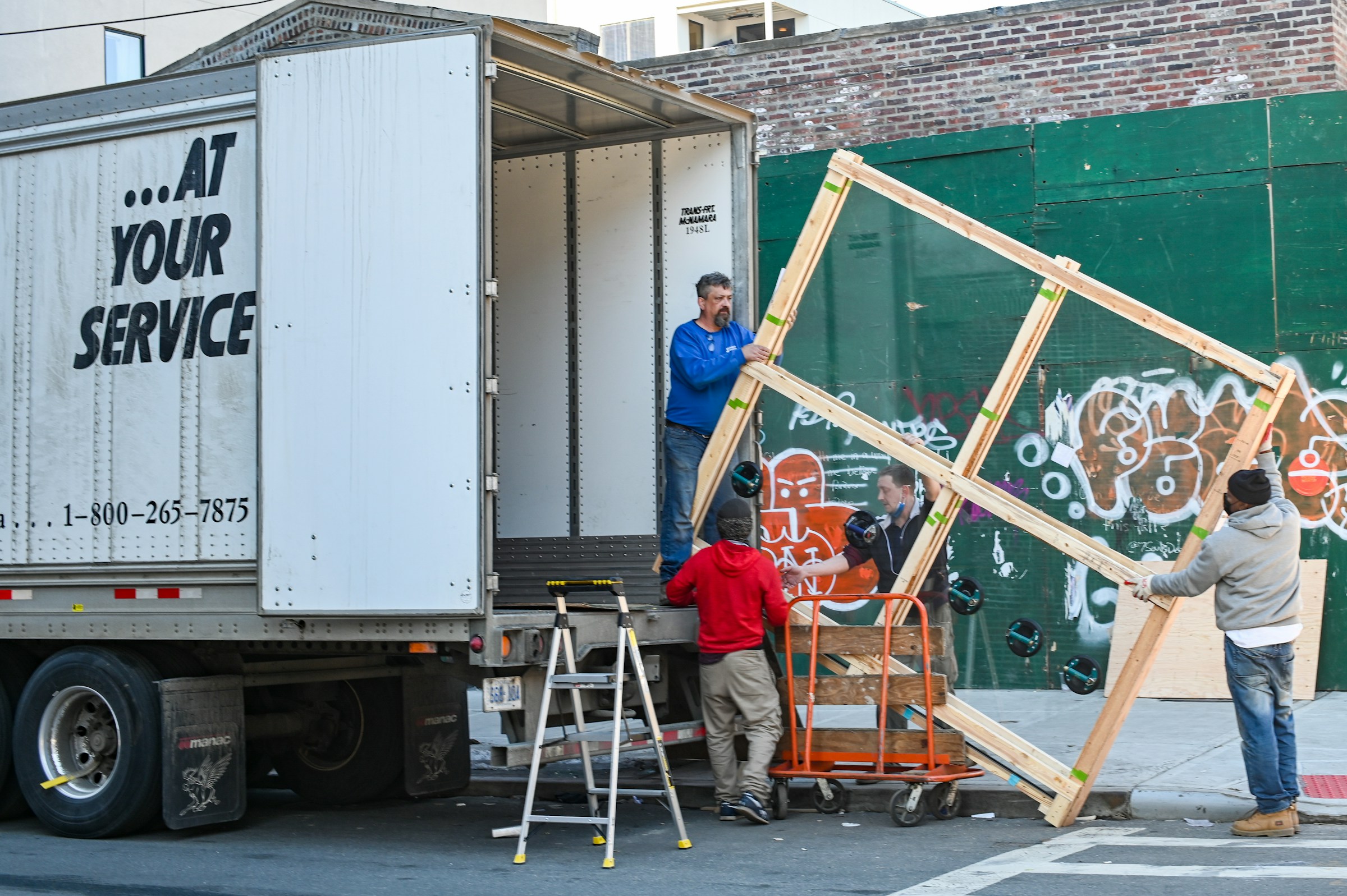
Why professional assembly speeds things up
Speed comes from experience. Professional assemblers do dozens of jobs every week; they recognize common product designs, know which fasteners are interchangeable, and can read assembly diagrams at a glance. That expertise reduces trial-and-error and prevents time-consuming mistakes.
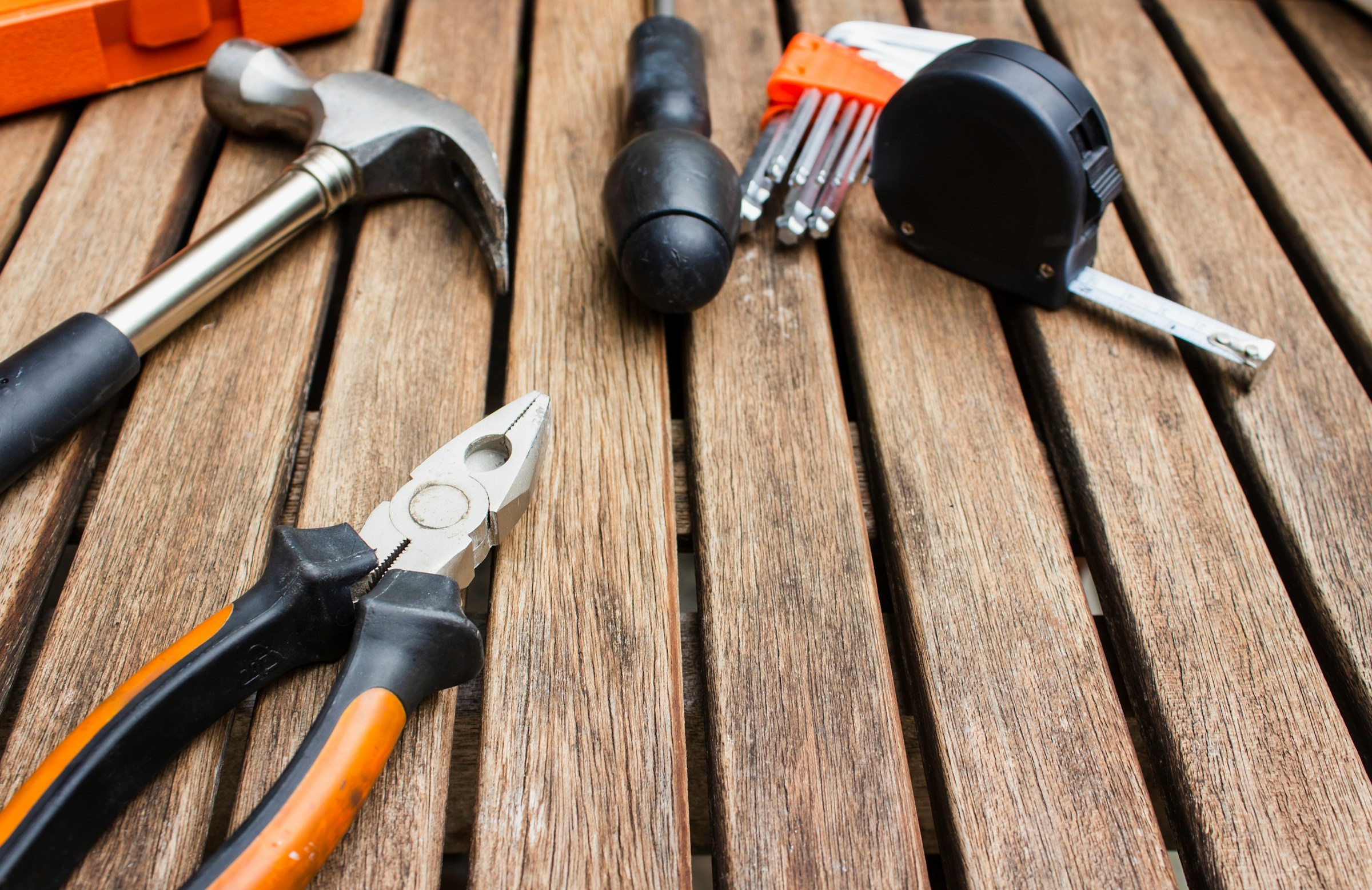
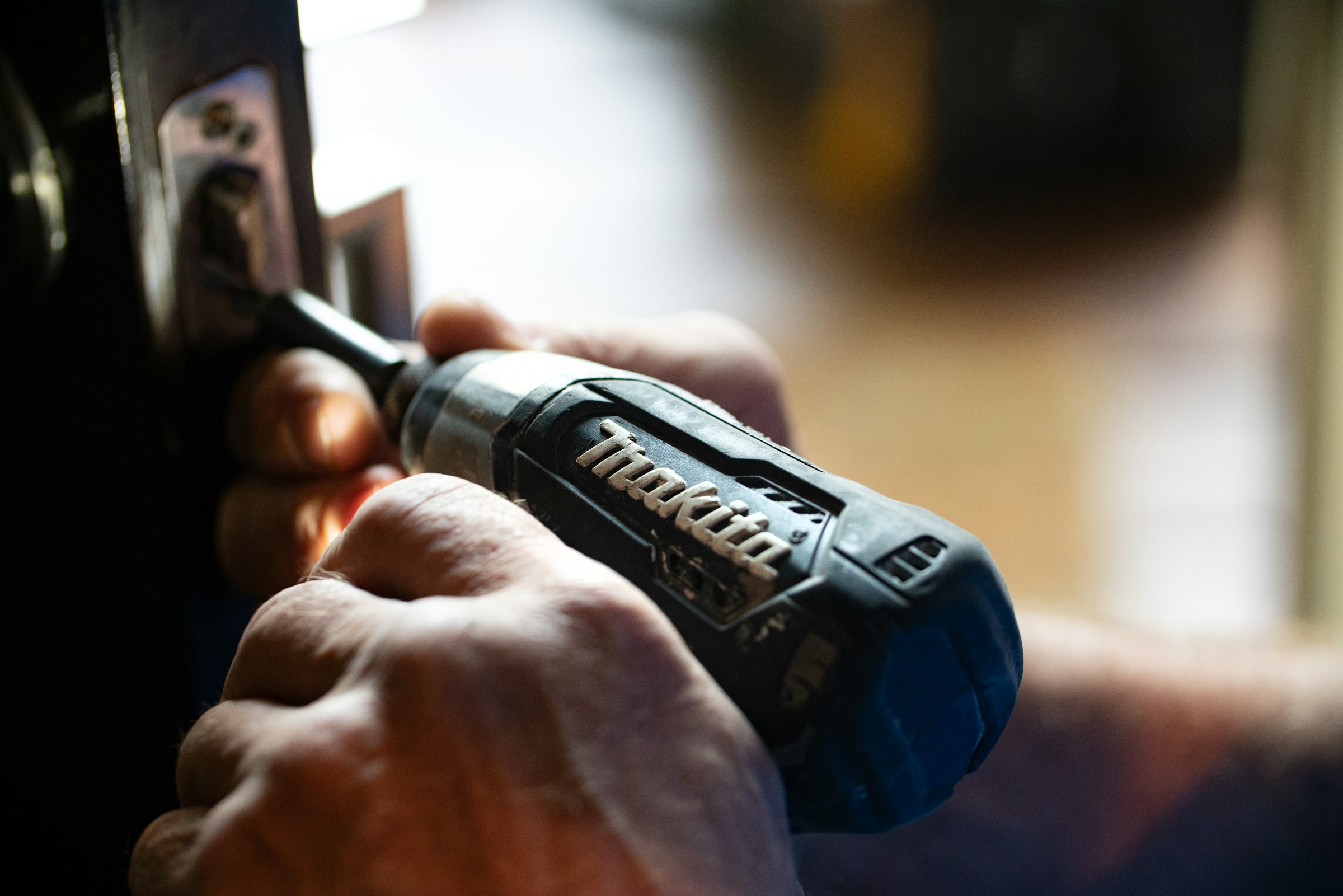
Tools and techniques matter. Professionals arrive with a toolkit tailored for modern flat-pack furniture: power drivers with torque control, hex-bit sets, rubber mallets, clamps, and leveling tools. These tools let them work faster and more precisely than a homeowner working with a single screwdriver.
Workflow and teamwork. Many services send two-person teams for medium-to-large items. One person holds and aligns while the other secures fasteners, cutting the time required and improving safety. For multi-item installs, teams sequence tasks to minimize repeated trips and tool changes.
Common scenarios where professional assembly saves the day
-
Large or heavy items (beds, wardrobes, sectional sofas): Professionals handle lifting, alignment, and anchoring safely.
-
Complex modular systems (wall units, closet systems): These require planning, leveling, and sometimes modification to fit a space.
-
Multiple-piece orders (entire room sets): Coordinated assembly ensures consistent alignment and finish across pieces.
-
Commercial installs (offices, retail displays): Timelines and aesthetics matter; pros work to schedule and brand standards.
How to choose the right assembly service
Attribute What to look for Experience Years in business; familiarity with major brands. Insurance Liability and workers’ comp coverage. Pricing model Flat-rate per item; hourly; or bundled room rates. Guarantees Damage protection; rework or warranty on labor. Reviews Recent customer feedback and photos.
Experience and brand familiarity. Choose a provider that lists experience with the brands or product types you purchased. Familiarity shortens the learning curve and reduces the chance of missing parts or misapplied fasteners.
Insurance and protection. Confirm the company carries liability insurance and workers’ compensation. This protects you if a piece is damaged during assembly or if a worker is injured on your property. Reputable services will provide proof on request.
Transparent pricing. Look for clear pricing—either per-item flat rates or an hourly rate with an estimate of expected time. Beware of vague quotes; a good provider will ask for product links or photos before quoting.
Customer reviews and photos. Recent reviews that include photos of completed work are the best indicator of quality. Pay attention to comments about punctuality, cleanliness, and whether the crew left the space tidy.

Preparing for a fast, smooth assembly visit
1. Clear the workspace. Remove obstacles, rugs, and fragile items from the area where the furniture will be assembled. A clear 6–8 foot perimeter around the work zone speeds the job and reduces risk.
2. Keep parts and instructions handy. If the delivery left boxes stacked, open them and place parts near the assembly area. If you have the manufacturer’s manual or product link, share it with the assembler ahead of time. This lets them prepare the right tools and estimate time accurately.
3. Note special constraints. Tell the provider about narrow hallways, stairs, elevators, or tight corners. If the piece must be anchored to a wall, mention wall type (drywall, plaster, concrete) so the crew brings appropriate anchors.
4. Confirm access and parking. Provide clear arrival instructions, gate codes, or parking details. Delays from parking or access issues add to the job time and cost.
What to expect during the assembly
Arrival and assessment. A professional crew will arrive, introduce themselves, and do a quick site assessment. They’ll confirm the pieces to be assembled, check for missing parts, and outline the plan. This step prevents surprises and sets expectations.
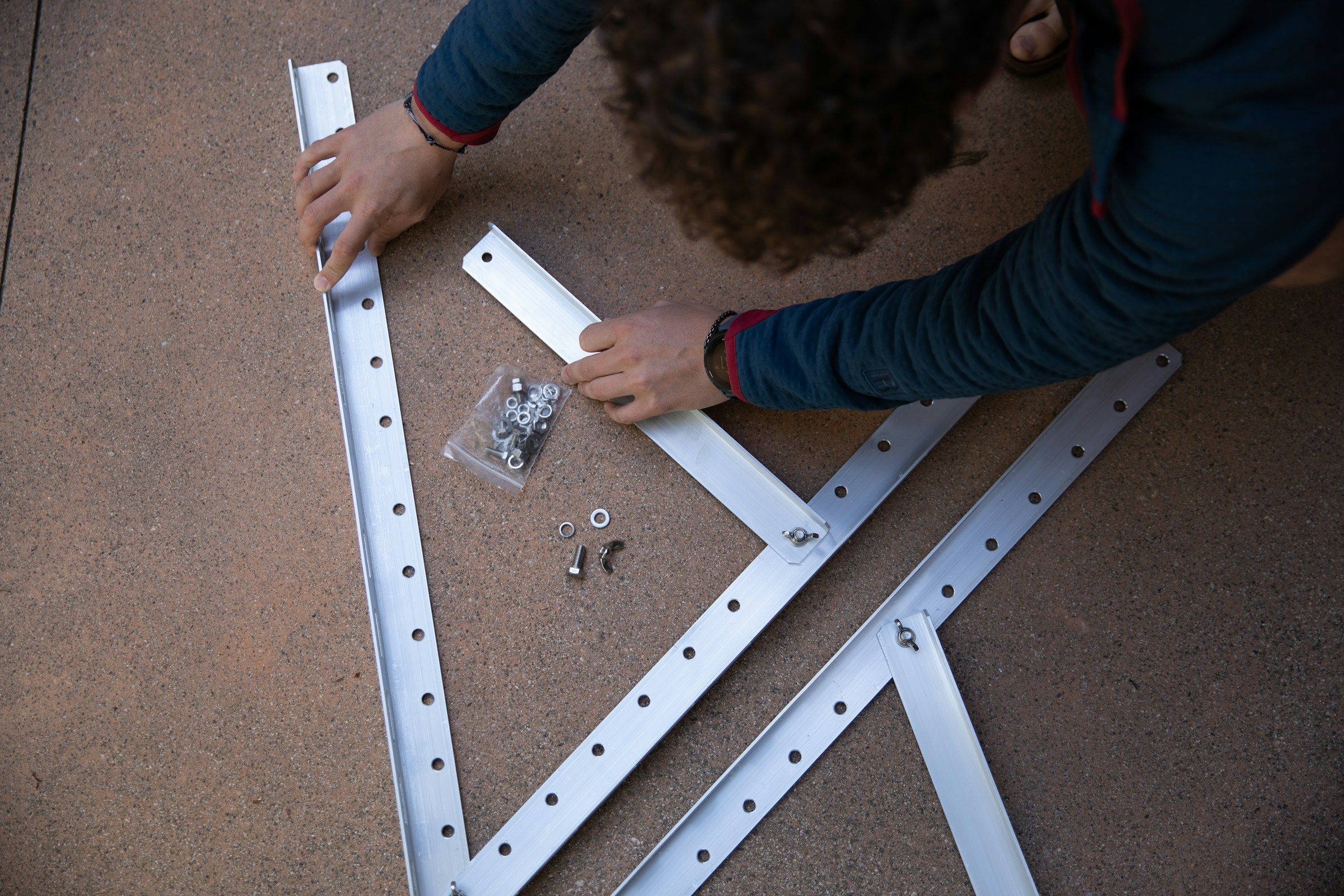
Efficient staging. Parts are laid out and sorted. Hardware is organized into trays or magnetic dishes so nothing gets lost. This staging is a small time investment that pays off in faster assembly.
Assembly and quality checks. The crew follows a logical sequence—subassemblies first, then final alignment and tightening. They’ll level and anchor items as needed, and perform a final inspection to ensure doors close, drawers slide, and finishes are intact.
Cleanup and walkthrough. A professional team removes packaging and debris, vacuums or sweeps the area, and walks you through the finished piece to confirm satisfaction. Many services will also take away recyclable packaging if requested.

Typical turnaround times and what affects them
Small items (chairs, small tables): 15–45 minutes each. Medium items (dressers, bookcases): 45–90 minutes each. Large items (beds, wardrobes, sectional sofas): 1.5–4 hours each, depending on complexity and anchoring. Full-room installs: Half-day to full-day, depending on number of pieces and site conditions.
Factors that slow the job: missing hardware, damaged parts, unclear instructions, tight access, or the need to modify pieces to fit a space. Communicating these issues in advance helps the crew bring the right supplies and avoid delays.
Pricing models explained
-
Per-item flat rate: Simple and predictable for common items; good for single-piece purchases.
-
Hourly rate: Useful when the scope is uncertain or when multiple small tasks are bundled.
-
Room or job bundle: A single price for assembling several items in one visit; often the best value for furnishing a room.
-
Add-ons: Wall anchoring, removal of old furniture, or custom modifications usually cost extra. Always ask for a written estimate that lists potential add-ons.

Safety, warranties, and damage protection
Worker safety. Professional services follow safe lifting practices and use equipment like dollies and straps for heavy items. Ask whether the crew follows a safety checklist for heavy lifts and stair navigation.
Damage protection. Reputable companies offer damage protection or a workmanship warranty. Confirm what is covered—scratches, broken parts, or improper assembly—and for how long. Keep photos of any pre-existing damage and the delivered parts before assembly begins.
Manufacturer warranties. Some manufacturers require professional assembly to keep the warranty valid. Check your product warranty and ask the assembler to document the work if needed.
How to get the fastest possible service
-
Book early and share details. Provide product links, photos, and access notes when you request a quote. This lets the provider schedule the right crew and tools.
-
Choose bundled visits. If you have multiple items, schedule them for the same visit to avoid repeat travel time and fees.
-
Opt for two-person teams for large items. They’re faster and safer than single technicians.
-
Ask about express or priority slots. Many services offer faster turnaround for an additional fee if you need same-day or next-day assembly.
Questions to ask before you hire
-
Do you carry insurance and can you provide proof?
-
What is your pricing model and what’s included?
-
Do you offer a workmanship warranty or damage protection?
-
Can you handle anchoring to my wall type?
-
Will you remove packaging and old furniture?
-
Do you have references or recent photos of similar jobs?
Final checklist for a fast, worry-free assembly
-
Clear the area and remove fragile items.
-
Provide product links or manuals to the provider.
-
Confirm parking, access, and any building rules.
-
Ask for insurance proof and a written estimate.
-
Schedule all items for one visit if possible.
-
Take photos of delivered parts before assembly begins.

Closing thoughts
Getting furniture assembled quickly is less about luck and more about preparation and the right partner. Professional assembly services turn a confusing box of parts into a finished, functional piece—fast, safely, and with a guarantee that your investment is installed correctly. Whether you’re furnishing a single room or an entire office, a little planning—sharing product details, clearing the workspace, and choosing a reputable provider—will get your furniture assembled in no time.