

As a homeowner, transforming your outdoor space is one of the most rewarding investments you can make. Whether you want a quiet retreat, a family‑friendly yard, or an outdoor entertaining hub, the right design and the right contractors make all the difference
This guide walks you through the top 10 design ideas for outdoor spaces and gives practical, contractor‑focused advice so you can plan confidently, get accurate bids, and hire the right pros to bring your vision to life.
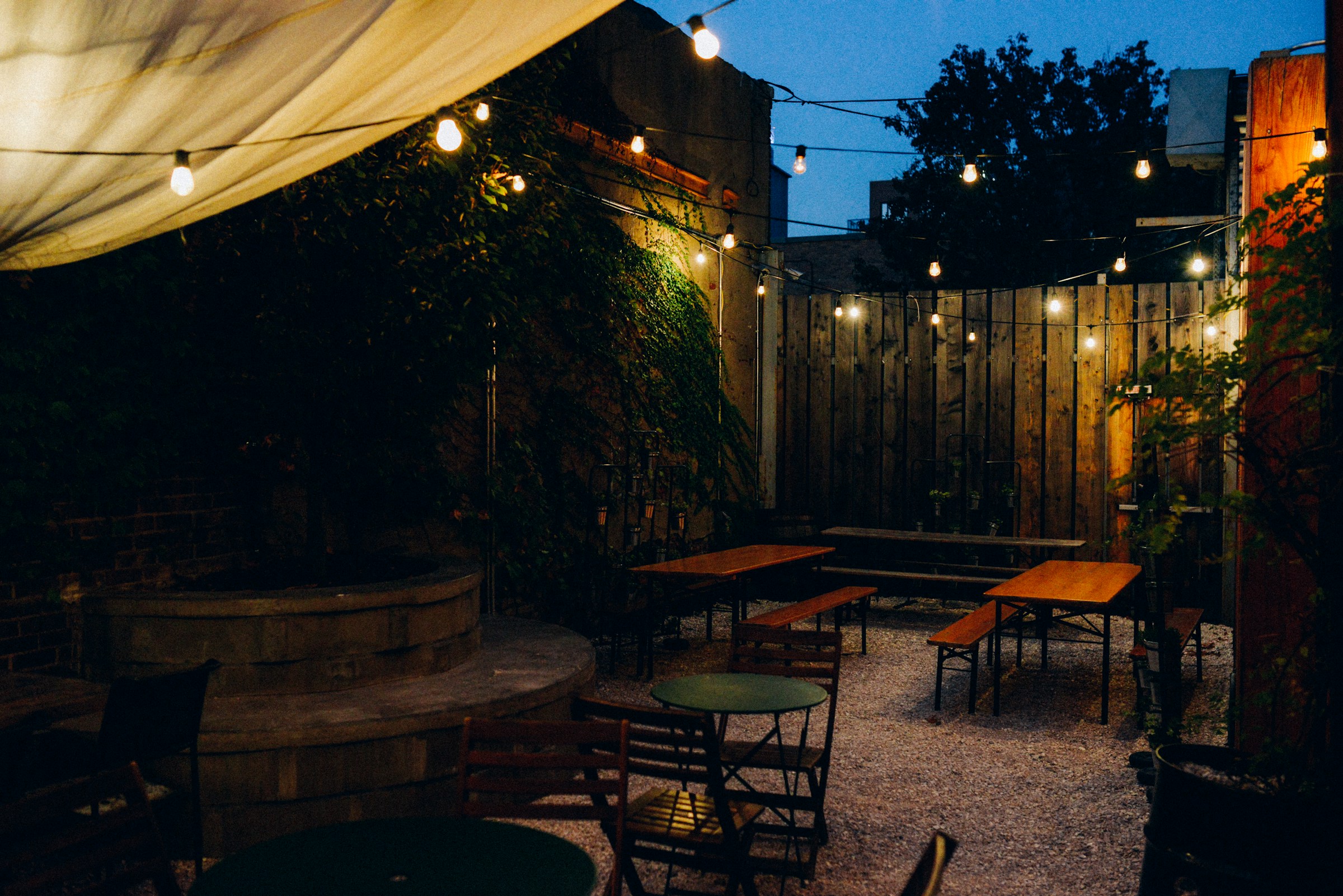
1. Outdoor Living Room: Comfortable, Weather‑Ready Seating
Design idea: Create a defined outdoor living area with weather‑resistant sofas, a coffee table, layered rugs, and a focal point such as a fireplace or a fire pit.
Why it works: An outdoor living room extends your usable square footage and becomes the natural gathering spot for family and guests.
What to tell contractors: Ask for options on durable materials (all‑weather wicker, teak, powder‑coated aluminum), drainage and grading plans, and a quote that separates labor for hardscape (patio, foundation) from soft furnishings. If you want a fireplace, request a licensed mason or fireplace specialist and confirm local permit requirements.
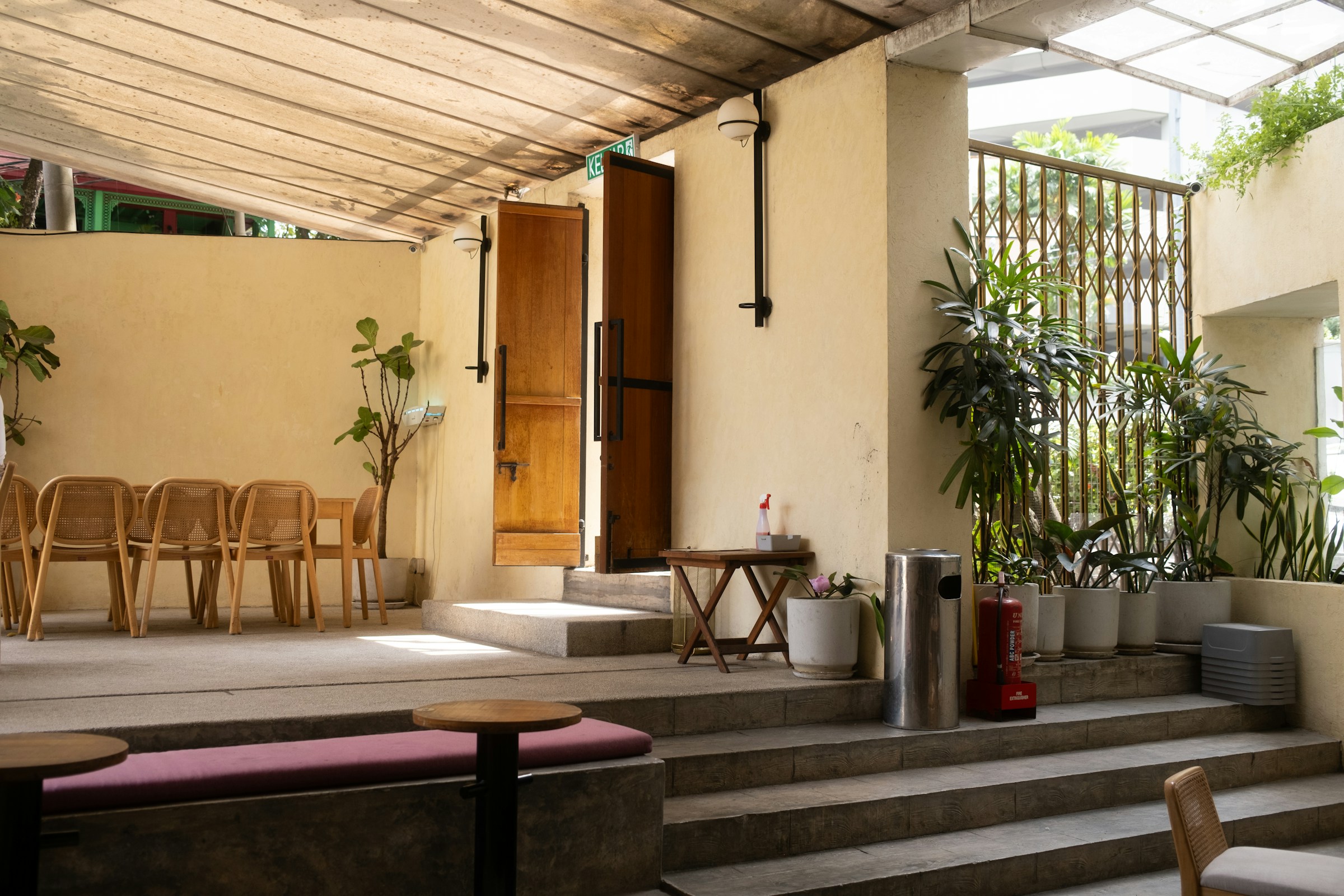
2. Covered Patio or Pergola: Shade and Structure
Design idea: Add a covered patio, pergola, or retractable canopy to provide shade and define the space.
Why it works: Shade structures increase comfort and protect furniture, while pergolas add architectural interest and support for climbing plants or lighting.
What to tell contractors: Clarify whether you want a permanent roof, open‑slatted pergola, or motorized canopy. Ask for structural drawings, material options (cedar, composite, aluminum), and how the structure will be anchored to existing foundations. Confirm whether electrical work is needed for lighting or fans and whether the contractor will pull permits.
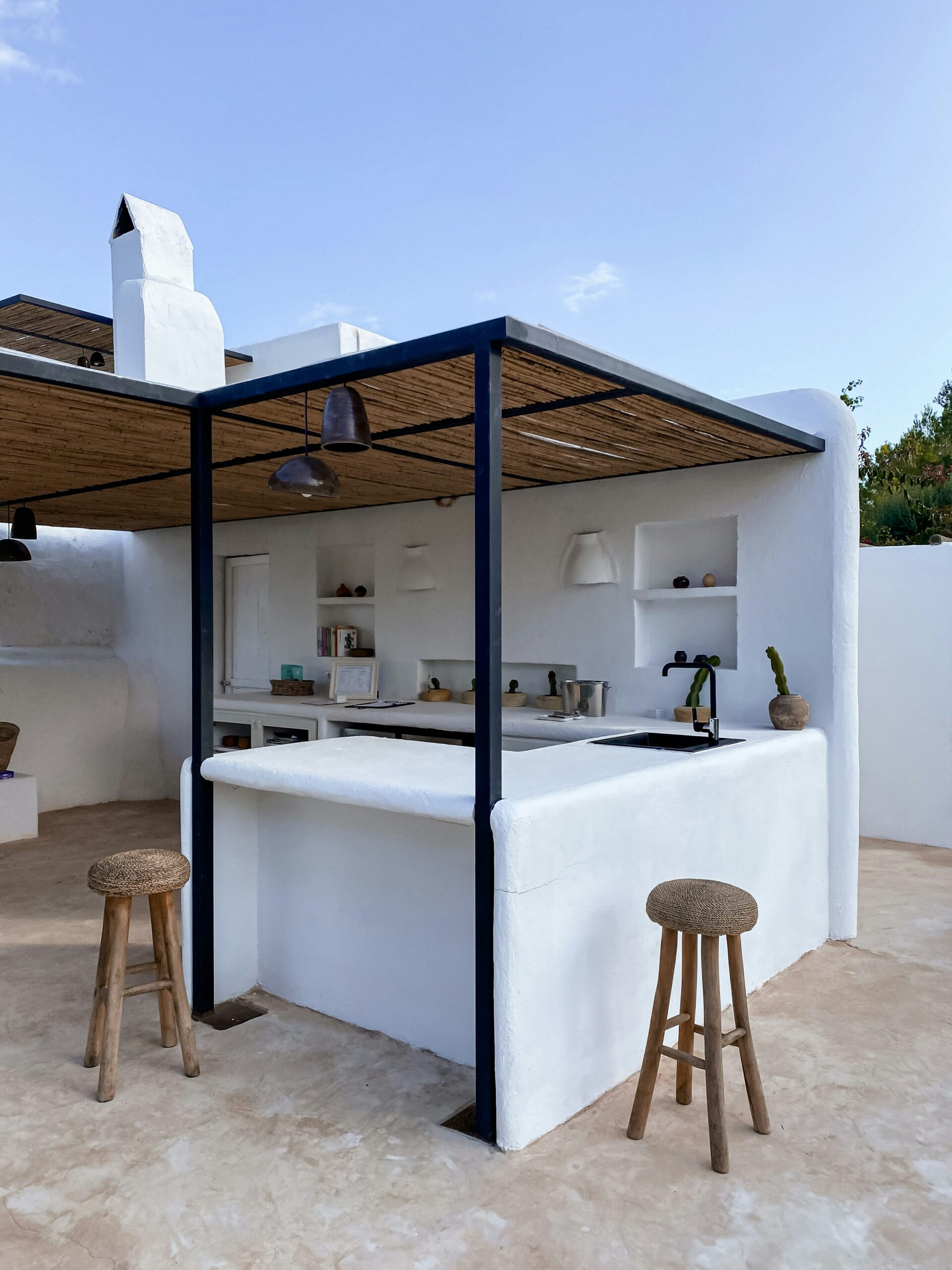
3. Outdoor Kitchen and Bar: Functional Entertaining
Design idea: Install a built‑in grill, prep counter, sink, refrigerator, and a bar seating area for alfresco dining.
Why it works: Outdoor kitchens increase home value and make entertaining effortless by keeping cooking and socializing in the same space.
What to tell contractors: Request a design that separates gas, electrical, and plumbing scopes. Ask for licensed tradespeople for gas line installation and plumbing, and request manufacturer‑specific installation for appliances. Get a line‑item estimate for counters, cabinets, appliances, and labor, and confirm ventilation and local code compliance for gas appliances.
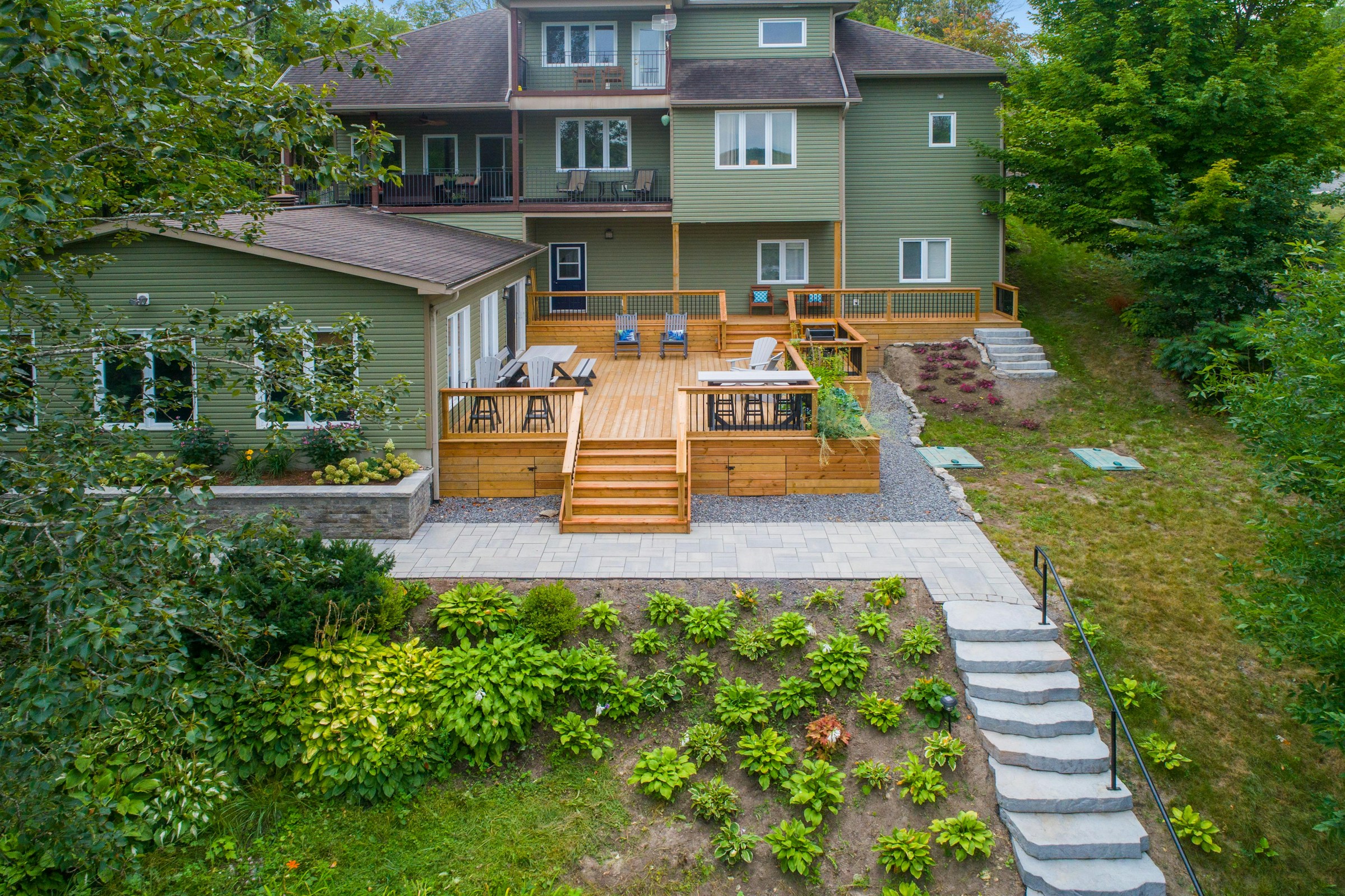
4. Multi‑Level Decking and Terracing: Add Dimension
Design idea: Use multi‑level decks or terraced retaining walls to work with sloped yards and create distinct zones.
Why it works: Levels create visual interest and help define dining, lounging, and play areas while solving drainage and erosion issues.
What to tell contractors: Ask for engineered plans for structural integrity, especially for elevated decks. Discuss material choices (pressure‑treated wood, composite decking, tropical hardwoods) and maintenance expectations. Request a soil and drainage assessment and a separate line item for footings, railings, and stairs.
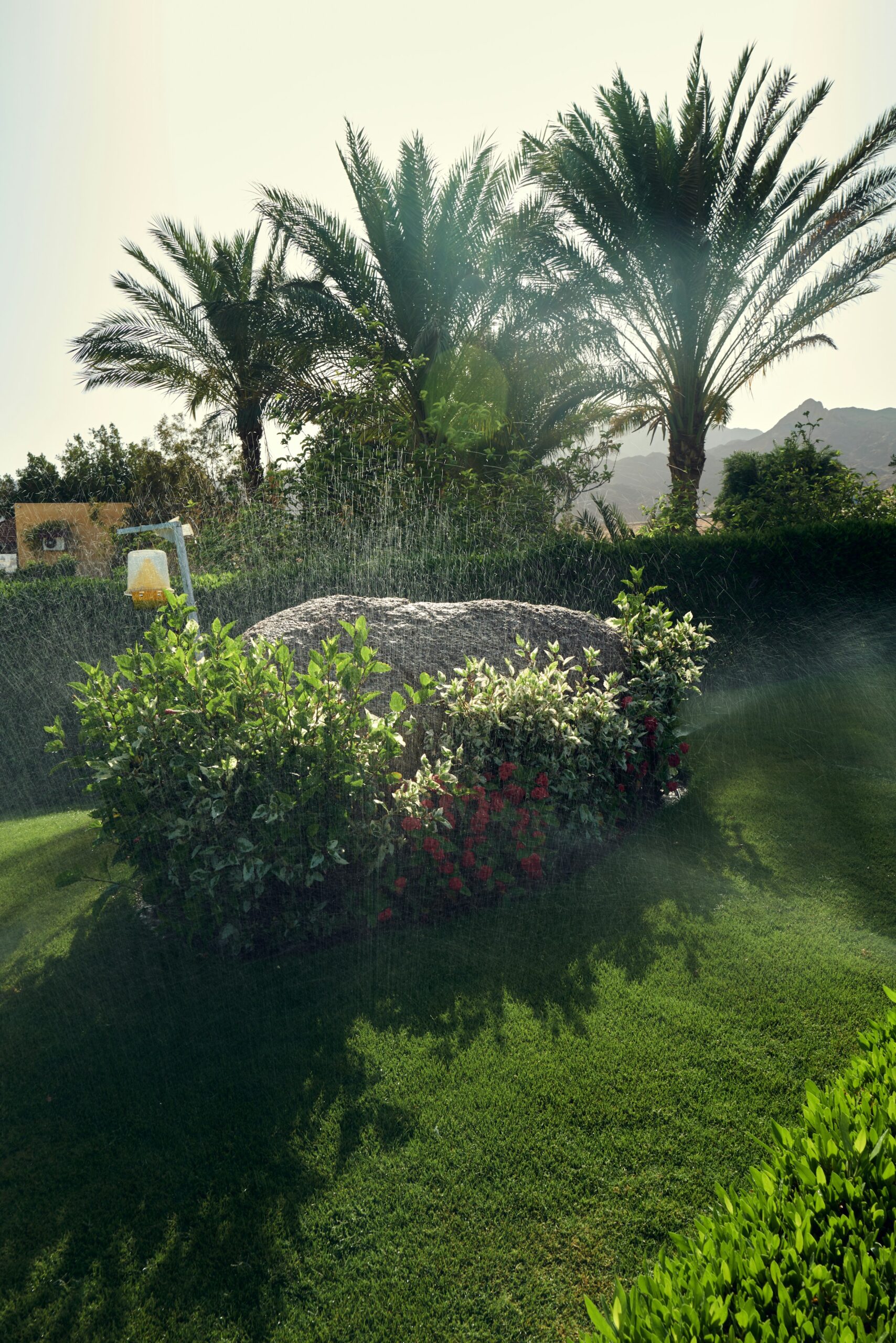
5. Low‑Maintenance Landscaping: Native Plants and Smart Irrigation
Design idea: Choose native, drought‑tolerant plants, mulched beds, and a smart irrigation system to reduce upkeep.
Why it works: Native plants thrive in local climates, require less water and fertilizer, and attract pollinators.
What to tell contractors: Ask landscape contractors for a planting plan that lists species, spacing, and maintenance needs. Request a separate irrigation proposal that includes smart controllers, drip lines for beds, and zoning for turf vs. planting beds. Confirm warranty on plantings and a seasonal maintenance plan if you prefer a hands‑off approach.

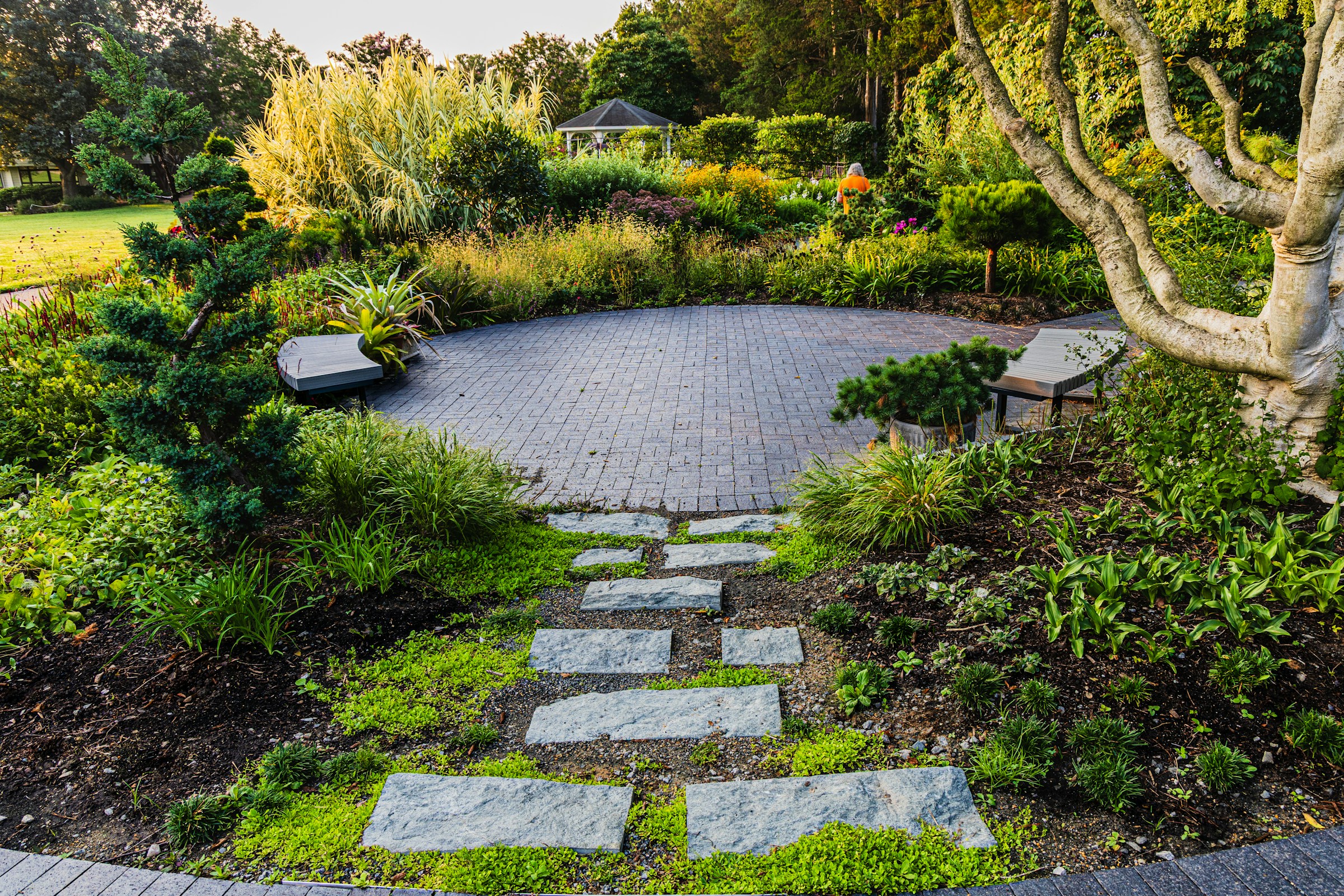
6. Hardscape Pathways and Lighting: Safety Meets Style
Design idea: Install durable pathways, stepping stones, and layered lighting to guide movement and extend usable hours.
Why it works: Thoughtful hardscaping and lighting improve safety, highlight features, and create ambiance after dark.
What to tell contractors: Request options for pavers, poured concrete, or natural stone and ask about base preparation and drainage. For lighting, ask for a lighting plan that shows fixture locations, wattages, and whether low‑voltage or line‑voltage systems are recommended. Confirm whether the electrician will handle trenching and conduit installation.

7. Water Features: From Bubbling Fountains to Ponds
Design idea: Add a water feature—fountain, pond, or small waterfall—to introduce sound and movement.
Why it works: Water features create a calming focal point and can mask neighborhood noise.
What to tell contractors: Ask for a site evaluation to determine water table and electrical needs. Request a breakdown of excavation, liner or basin, pump and filtration systems, and ongoing maintenance. If you want a pond with fish, confirm filtration capacity and winterization plans for your climate.
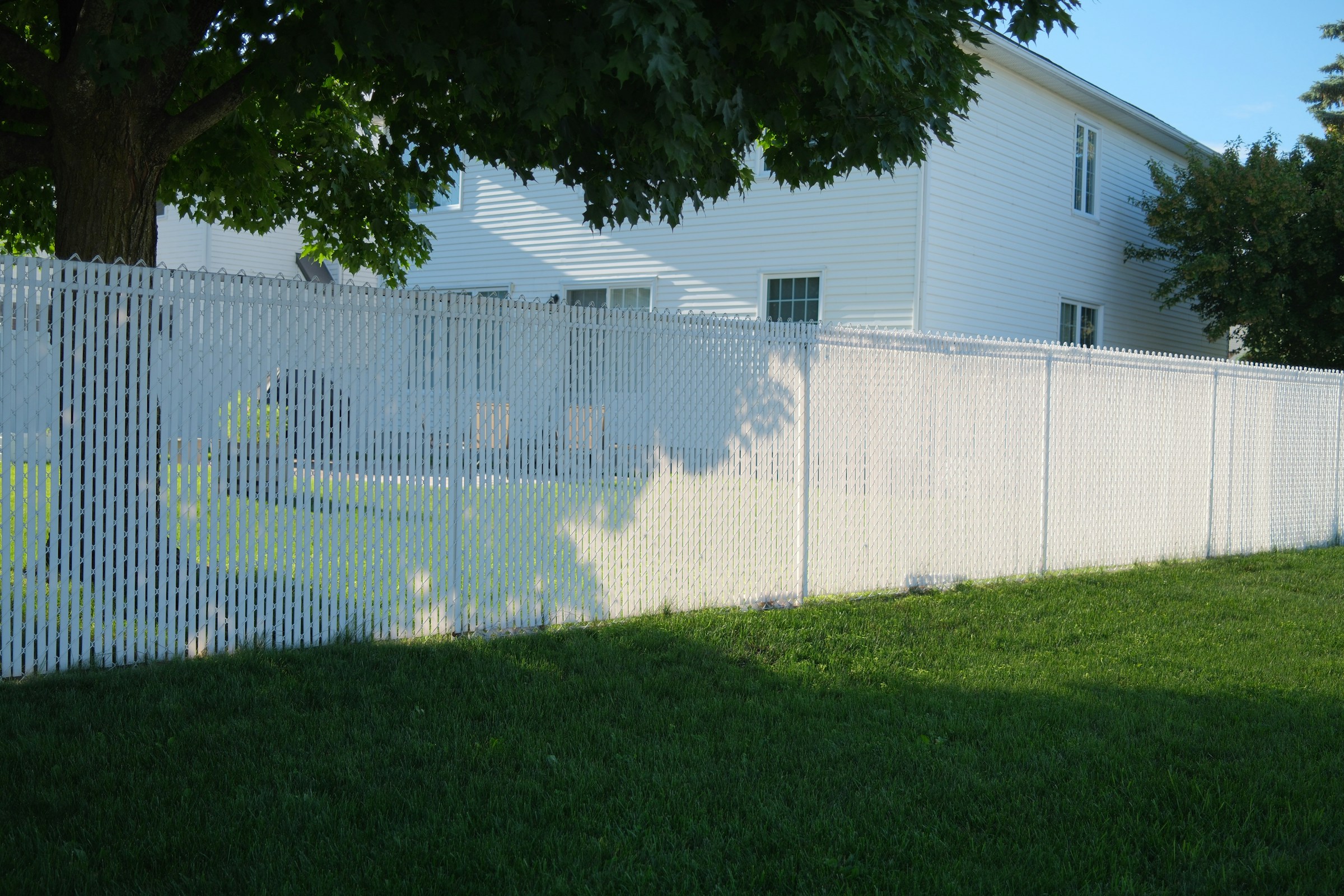
8. Privacy Solutions: Screens, Hedges, and Fencing
Design idea: Use living hedges, decorative screens, or privacy fencing to create intimate outdoor rooms.
Why it works: Privacy elements increase comfort and can also reduce wind and noise.
What to tell contractors: Discuss options for evergreen hedges versus hardscape screens (lattice, metal panels). Ask for a timeline for living screens to mature and whether temporary screening is recommended during growth. Confirm property line setbacks, HOA rules, and permit requirements for fences.
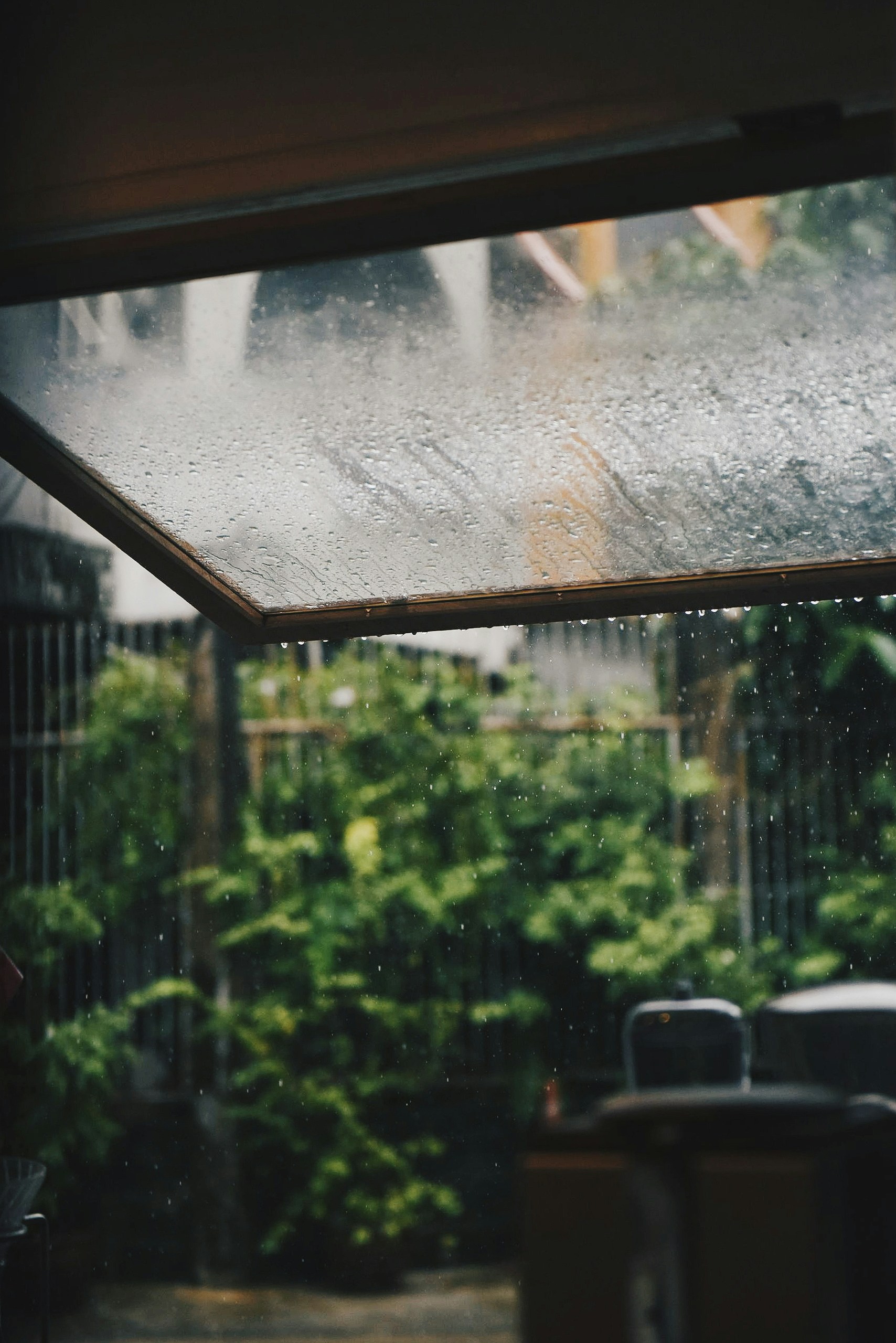
9. Sustainable Upgrades: Permeable Paving and Rain Gardens
Design idea: Incorporate permeable pavers, rain gardens, and native bioswales to manage stormwater and reduce runoff.
Why it works: Sustainable features protect your landscape, reduce erosion, and can lower municipal stormwater fees in some areas.
What to tell contractors: Ask for a stormwater management plan and whether they’ll perform infiltration testing. Request separate pricing for permeable paving systems, base materials, and underdrain installations. If you want a rain garden, ask for plant lists and overflow routing to avoid water pooling near foundations.
10. Flexible Lighting and Audio: Create Atmosphere
Design idea: Integrate layered lighting (path, task, accent) and outdoor audio for ambiance and functionality.
Why it works: Lighting and sound transform the space for evening use and enhance safety and entertainment value.
What to tell contractors: Request a lighting and audio plan that includes fixture types, control systems (smart switches, dimmers), and weather‑rated speakers. Confirm whether the electrician will install low‑voltage transformers and conduit for future upgrades. Ask for a demo of the audio system before final acceptance.
How to Prepare Before You Hire Contractors
Before you start collecting bids, do this homework to get accurate proposals and avoid surprises:
- Define your priorities — list must‑haves, nice‑to‑haves, and a realistic budget range.
- Collect inspiration — photos, Pinterest boards, and notes on materials and colors help contractors understand your taste.
- Document the site — take photos, note grades, and mark utilities. A simple site plan helps contractors estimate more accurately.
- Check local rules — HOA guidelines, setback rules, and permit triggers can affect design and cost.
- Decide on phasing — if budget is limited, plan which elements to build first and which to defer.
Questions to Ask When Getting Bids
Use this checklist during contractor interviews and when reviewing written estimates:
- Are you licensed and insured? Request license numbers and proof of insurance.
- Can you provide references and a portfolio? Ask for recent projects similar in scope.
- Who will manage the project? Confirm the point of contact and on‑site supervisor.
- What is included in the estimate? Ask for line‑item pricing for materials, labor, permits, and cleanup.
- What is the timeline and payment schedule? Avoid large upfront payments; use milestone payments tied to progress.
- How do you handle change orders? Get the process in writing and ask for examples of common unforeseen costs.
- Do you provide warranties? Clarify workmanship and material warranties and how warranty claims are handled.
How to Compare Estimates
When you receive multiple bids, don’t pick solely on price. Compare these factors:
- Scope clarity — the most detailed bid reduces the chance of surprises.
- Material quality — cheaper materials can mean higher long‑term costs.
- Timeline realism — aggressive schedules can lead to rushed work and mistakes.
- Communication style — choose a contractor who listens and explains tradeoffs clearly.
- References and reputation — follow up with past clients and view completed projects in person if possible.
Budgeting and Financing Options
Outdoor projects range from modest upgrades to major overhauls. Consider these financing options:
- Home equity line of credit (HELOC) — common for larger projects with favorable interest rates.
- Personal loans — useful for mid‑range projects without tapping home equity.
- Contractor financing — some contractors partner with lenders for staged financing.
- Phased approach — build in stages to spread costs over time.
Final Tips for a Smooth Project
- Get everything in writing — signed contract, scope, timeline, payment schedule, and warranty terms.
- Maintain open communication — weekly check‑ins and photo updates keep everyone aligned.
- Expect the unexpected — include a contingency of 10–15% for renovations.
- Protect your property — discuss site access, storage of materials, and dust control with your contractor.
- Document progress — keep photos and receipts for warranty and resale value.
Conclusion
Designing an outdoor space is both creative and practical. As a homeowner hiring contractors, your role is to define priorities, gather inspiration, and ask the right questions so contractors can deliver accurate bids and high‑quality work. Whether you choose an outdoor living room, a full kitchen, or sustainable landscaping, these top 10 ideas will help you plan a space that fits your lifestyle and budget. With careful planning, clear contracts, and the right pros, your outdoor space can become the favorite room in your home.
Ready to move forward? Save this article, gather photos of your favorite ideas, and start contacting local contractors with a clear brief. Now draft a contractor brief or a checklist to send to three contractors for bids.